Virtual Reality Casinos: Where VR Gambling Stands in 2026
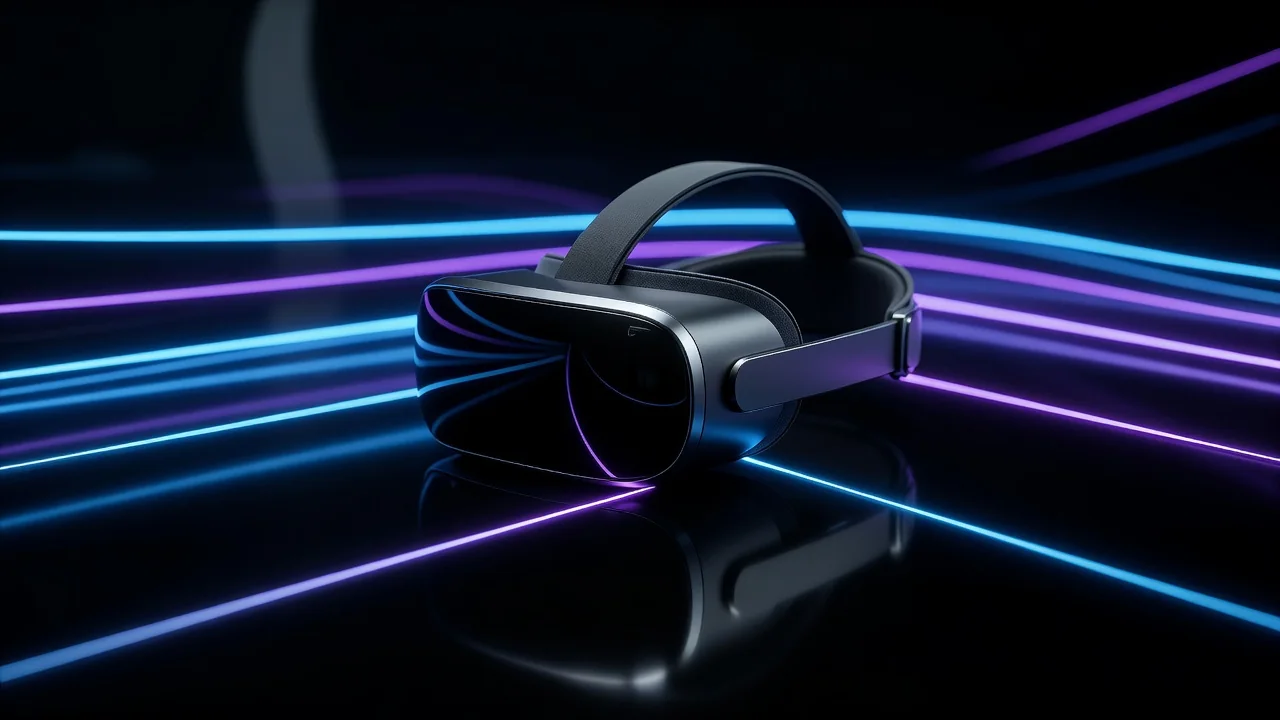
Virtual reality casinos have been "five years away" for about fifteen years. In 2026 they are finally real — walk-in virtual gambling floors with 3D tables, spatial audio and other players' avatars — yet they remain a niche next to the mobile mainstream. This guide looks honestly at what current VR casinos deliver, where the technology still falls short, and whether it deserves a place in your gaming rotation or merely on your watch list.
The pitch is seductive: put on a headset and stand at a blackjack table that feels physically present, chat with the player beside you, watch the dealer's hands rather than an animation. When it works, it is genuinely impressive. The question is how often it works, for how many people, and at what cost.
What Today's VR Casinos Actually Offer
Current VR casino products fall into two camps. The first is the social casino world: free-to-play virtual venues with slots, poker and table games, built for hanging out as much as gambling. These have real traction, because their value is social rather than financial. The second camp is real-money VR gambling offered by a small number of licensed operators, typically as a VR lobby bolted onto a conventional casino account. The real-money segment is growing but remains small, and game selection lags far behind the thousands of titles in a standard mobile casino lobby.
The Hardware Situation in 2026
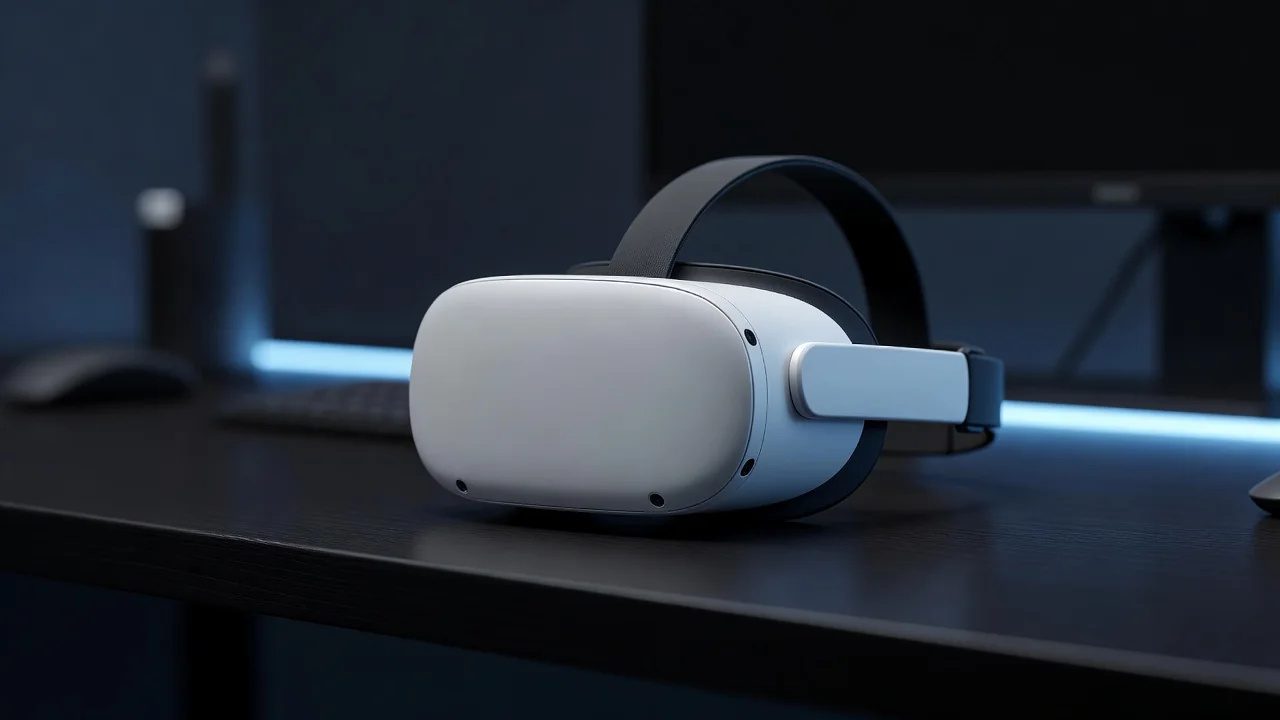
Standalone headsets have removed the old barrier of an expensive gaming PC, and current-generation devices are lighter, sharper and cheaper than anything available five years ago. That matters: a casino session needs comfort over thirty-plus minutes, and only recent hardware delivers it. Even so, headset ownership is a fraction of smartphone ownership, which caps the audience and explains why operators invest cautiously.
- Standalone headsets: no PC required; the default choice for casual VR in 2026.
- Comfort window: modern devices support sessions of an hour or more.
- Motion sensitivity: a minority of users still struggle; short sessions first.
- Cost of entry: one headset versus the phone everyone already owns.
Where VR Gambling Genuinely Shines
Presence is the killer feature. Poker is the standout: reading timing and body language, handling virtual chips, sitting at a table with real people restores everything online poker lost when it left the card room. Live-dealer-style VR tables, where a streamed human dealer hosts avatar players, blend the trust of live dealer games with genuine immersion. Social slots rooms — spinning alongside friends with spatial voice chat — turn a solitary activity into a night out.
VR Casino vs Traditional Online Casino
| Factor | VR Casino | Mobile / Desktop Casino | Winner Today |
|---|---|---|---|
| Immersion | Full 3D presence | Screen-based | VR |
| Game Selection | Dozens of titles | Thousands of titles | Traditional |
| Convenience | Headset setup required | Phone in your pocket | Traditional |
| Social Experience | Avatars, voice, presence | Chat boxes | VR |
| Payments & Regulation | Emerging frameworks | Mature, well regulated | Traditional |
The Honest Drawbacks
Game variety is the biggest gap: VR lobbies offer a curated slice where mobile offers everything. Session length is limited by comfort and battery. Payments and account management typically push you back to a flat screen anyway. And regulation is still catching up — the responsible gambling tools that are mandatory and mature at licensed platforms like Bet365 are less standardised in virtual environments. Our licensing and security guide covers the baseline protections any platform, VR or not, should provide.

What Comes Next
The roadmap is visible: lighter headsets with better displays, live dealers volumetrically captured into virtual rooms, and haptic feedback that makes chips and cards feel tangible. The broader industry trends tracked in our evolution of online casinos suggest the pattern to expect — a technology matures quietly for years, then tips into the mainstream once convenience crosses a threshold. VR is approaching, but has not crossed, that threshold.
Should You Try It?
If you already own a headset and love poker or social gaming, absolutely — the best VR casino rooms are the most memorable gambling experiences available anywhere. If you would be buying hardware primarily to gamble, wait: the game selection and regulatory maturity do not yet justify the spend. Either way, the rules that protect you do not change in virtual space. Set limits before you play, keep sessions short while you learn your motion tolerance, and use the same discipline our responsible gambling guide recommends for any format.